
By Jodie Birch · Independent celebrant · 14 November 2026
A story from Sedgefield, close to home
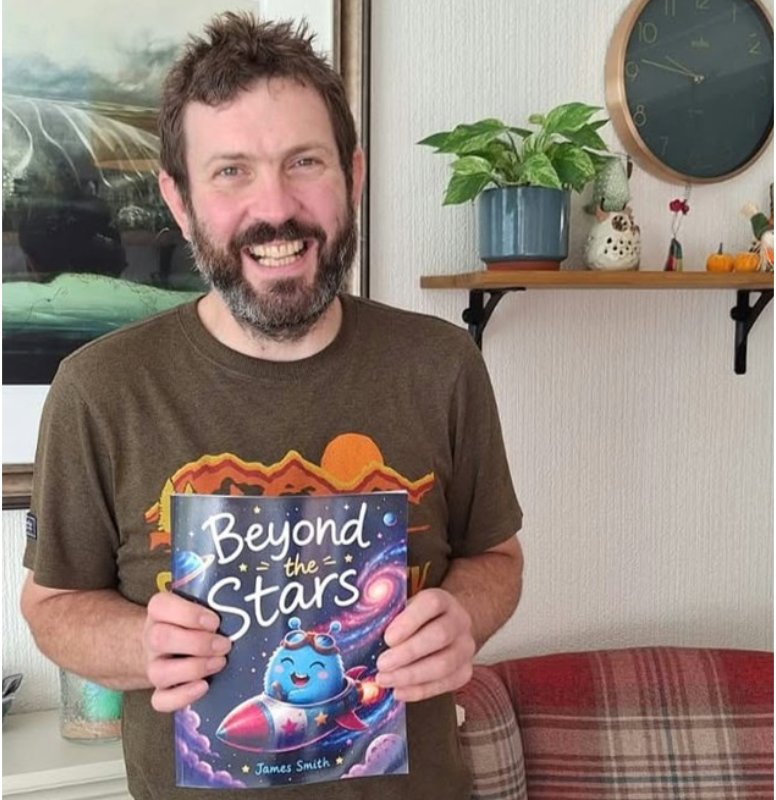
Some stories bring us back to why words matter. The Northern Echo has shared the story of James Smith, a dad from Sedgefield in County Durham, who has published his first children’s book, Beyond the Stars, while living with metastatic oesophageal cancer, also described as advanced or stage 4 cancer.
His book brings together imagination, adventure and the love of sharing a story with his daughter, Ida. A serious diagnosis is part of his life, but it is not the whole of his story. Here, the focus is on the person, his creativity and the family moments his book makes possible.
I am sharing it here because it speaks to something at the heart of Eternal Words: words can hold love in a form we can return to. Not only the words said at a ceremony, but the everyday stories we share while we are together.
An adventure, and a moment at bedtime
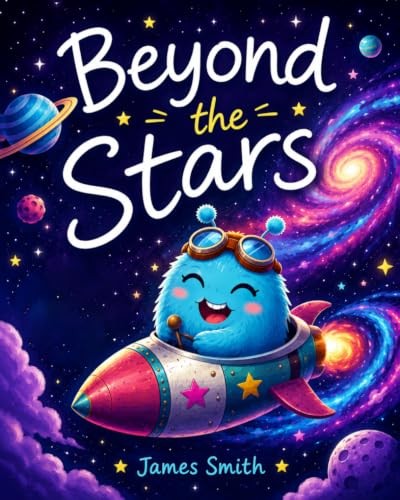
Beyond the Stars follows Orbi on an adventure towards the edge of the universe, exploring planets, stars and cosmic mysteries with fun facts along the way. The Northern Echo reports that it is available in paperback and Kindle editions.
For James, the meaning reaches beyond publication. Speaking to the newspaper about reading it to Ida, he says: ‘She loves it — there’s no better feeling in the world than being a dad.’ That ordinary moment of sharing a story is what stays with me.
This is a space-adventure story, not a specialist guide to explaining death or treating grief. James’s experience gives it a personal context, but it should not be presented as a bereavement resource endorsed by a charity. If you would like to explore the book, the original report includes its purchase link.
You do not have to write a book to leave something meaningful
A family story can be one page. It can be a favourite saying, the way someone met their closest friend, or the recipe everyone asks them to make. It does not need to be polished to belong to the people who love them.
If preserving memories feels right for you, begin with one small question: ‘What would you like us to remember?’ Or start somewhere lighter: ‘What made you laugh when you were little?’ Write down the answer in their own words, or ask whether they would like to record it.
There is no obligation to create a legacy project when someone is unwell. Rest, privacy and time together matter too. Let the person choose what they want to share, with whom, and when; an unfinished notebook is not a failure.
Small ways to keep a family’s voice
You might keep a handwritten note beside a photograph, record a favourite story with permission, or write down the words someone always uses to say goodnight. Note who is speaking and the date if that feels helpful. Keep recordings and private letters somewhere safe, and agree who may see or hear them.
For a child, offer a choice rather than a task: ‘Would you like to draw that memory, tell me about it, or leave it for another day?’ An adult can write down their exact words without making them sound more grown-up. They can choose whether the drawing goes into a book or stays private.
A memory does not need to become a keepsake immediately. Sometimes the kindest thing is simply to listen, without turning a conversation into something to finish.
When a child needs more than a story
Books and shared memories may make room for conversation, but they cannot answer every question about serious illness or death. For age-appropriate explanations and individual support, turn to specialist services. My role as a celebrant is to care for families through the ceremony and its words, not to provide counselling.
The Children’s Grief Awareness Week guide brings together clear-language advice, carefully described books and practical charity resources. You can return to it outside the awareness week too. Child Bereavement UK is a place to start when you need help finding words for a child.
Where my care and writing can help
When I care for a family through a funeral ceremony, I listen for the details that let their loved one be recognised: the warmth, the familiar phrases, the small things that made them themselves. Those memories deserve care, whether they are shared aloud or kept within the family.
If you would like help gathering your own family’s memories into a legacy journal, a personal tribute or keepsake words, we can talk gently about what you would like to hold onto. You do not need to arrive with a finished story, and you decide what remains private.
James’s book is his own creation. This reflection does not imply that I know his family, helped create the book or have their endorsement. What I take from the story is a reminder to notice the words we already have, and the people we can share them with today.
A conversation, with care
Share a thought or a question. Messages are reviewed before appearing publicly; please keep personal details private. For individual support, contact Jodie directly.
Loading conversations…