By Jodie Birch · Independent celebrant
A celebration of life is exactly what it sounds like: a ceremony that honours a whole life, rather than centring on the loss of it. It can happen days, weeks, months — even years — after someone has died. There are no rules about where, when or how.
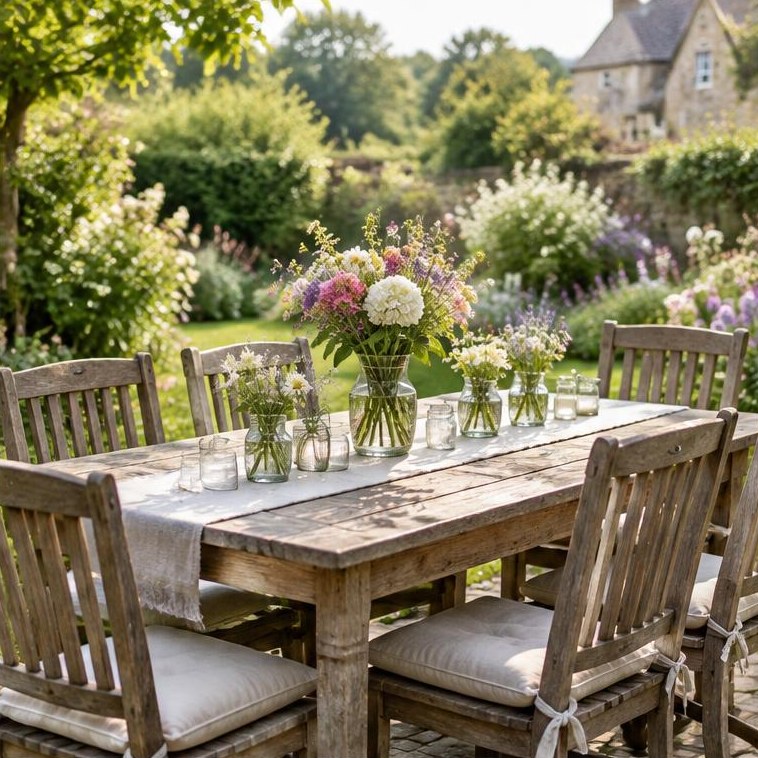
Where a traditional funeral tends to follow a set order and setting, a celebration of life is shaped entirely around the person and the people who loved them. It can be held in a village hall, a garden, a favourite pub, a woodland clearing, a family home. It can be joyful, quiet, funny, tearful — usually all four in the same afternoon.
Start with the person. Before you think about venues or readings, sit with one question: what did they love? Their music, their people, their places, the small daily rituals that made them them. Write it all down. Everything you plan will grow from that page.
Then think about the shape of the day. Most celebrations of life follow a gentle arc — a welcome, a telling of their story, contributions from the people who knew them, a moment of reflection, and something to close and carry forward. Music threads through it all. So does light — candles, sunlight, lanterns as the evening comes in.
Invite voices in. A celebration of life is at its most beautiful when it isn't a single monologue. A grandchild reading a short line. A friend telling one story. A neighbour offering a song. It doesn't need to be polished — it needs to be true.
Choose your setting with care. Somewhere the person felt like themselves. If they lived by the sea, take everyone to the sea. If they gardened every weekend, gather in a garden. The place does half the work.
Think about food and warmth. A long table, a shared meal, a round of their favourite drink at the end — these ordinary gestures often become the parts people remember most.
And let a celebrant carry the words for you. Writing and leading a ceremony while you're grieving is a heavy thing to hold. My role is to listen, gather the stories, shape them into something that sounds like the person, and stand at the front on the day so you don't have to. You bring the love. I bring the words.
If you're beginning to plan a celebration of life — for someone you've recently lost, or for someone whose funeral has already passed and now deserves a proper, personal farewell — please reach out. There is no rush, and no wrong way to begin.
A conversation, with care
Share a thought or a question. Messages are reviewed before appearing publicly; please keep personal details private. For individual support, contact Jodie directly.
Loading conversations…